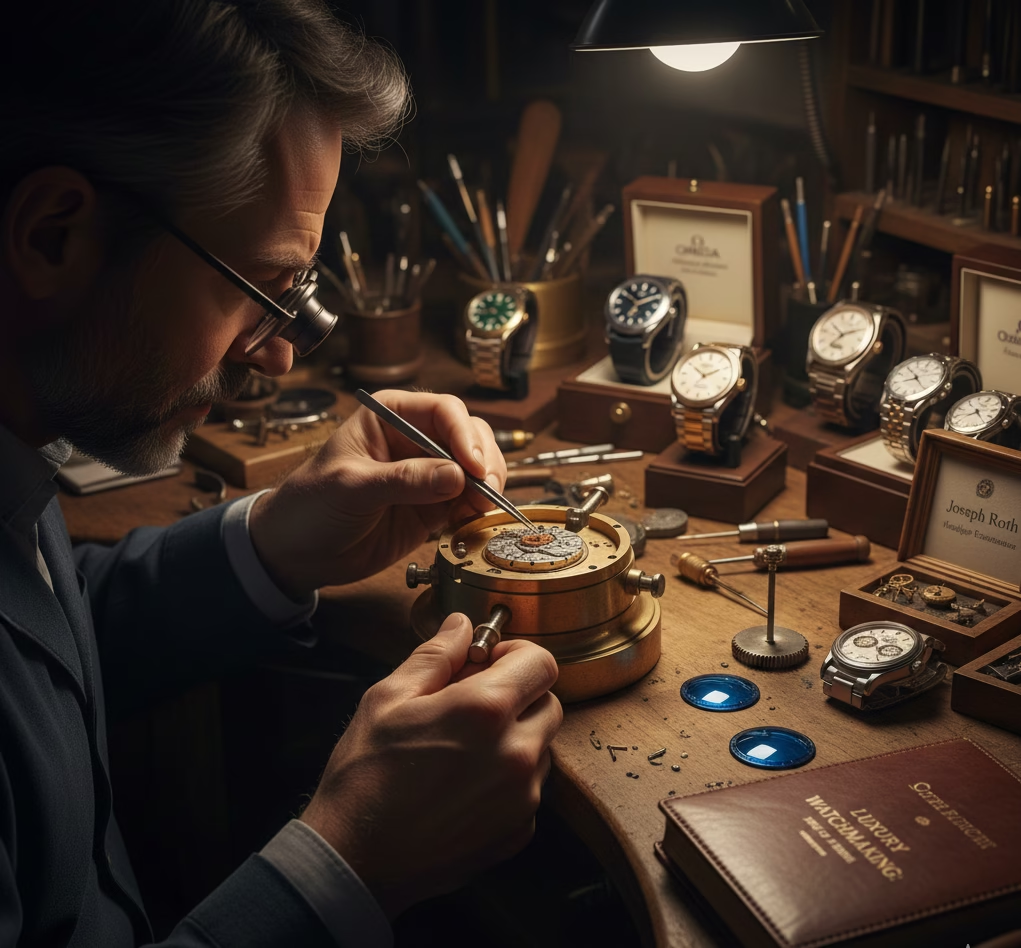
Why Regular Maintenance Matters
- Movement issues: Watches may run fast, slow, or stop due to worn or unlubricated gears and springs.
- Bracelet and strap problems: Metal links can stretch, clasps loosen, and leather straps may crack or fade.
- Crystal damage: Even sapphire can scratch or crack if impacted.
- Water intrusion: Failing seals or gaskets can let moisture inside, causing internal corrosion.
- Cosmetic wear: Regular polishing and refinishing keep the case and bracelet looking new.
Common Luxury Watch Repairs
- Servicing the movement: Cleaning, lubricating, and regulating the watch’s internal mechanisms.
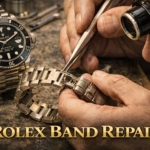
- Bracelet repairs: Adjusting stretched links, replacing pins, or fixing loose clasps.
- Crystal replacement: Repairing or replacing scratched or cracked glass.
- Crown and gasket replacement: Restoring water resistance and protecting internal parts.
- Polishing and finishing: Removing scratches and restoring the exterior finish carefully.
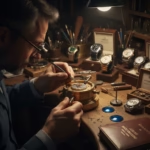
How a Luxury Watch Is Repaired
A proper luxury watch repair involves multiple precise steps:
Full Inspection: Every part of the watch is checked for wear, damage, and irregularities.
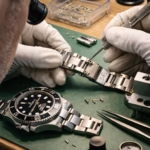
Careful Disassembly: Components including the movement, dial, hands, case, and bracelet are carefully separated.
Cleaning and Lubrication: Old oils and debris are removed, and the movement is relubricated to reduce friction and wear.
Repairs or Part Replacement: Damaged parts like gears, springs, pins, or clasps are repaired or replaced, keeping original components whenever possible.
Reassembly and Adjustment: The movement is reassembled, calibrated, and tested for accuracy.
Polishing and Finishing Touches: Scratches are minimized, and the watch’s exterior is restored without over-polishing.
Final Testing: The watch undergoes performance and water-resistance tests before being returned to the owner.
Collectors often choose specialists like Joseph Roth for their meticulous approach and respect for the original craftsmanship.
Typical Costs of Luxury Watch Repairs
- Routine servicing: Cleaning and lubrication—starting from a few hundred dollars.
- Bracelet adjustments or repairs: $150–$500, depending on the work needed.
- Crystal or movement repairs: Several hundred dollars or more, depending on severity.
- Complete restoration: $1,000+ for precious-metal or vintage watches.
DIY vs. Professional Repairs
- DIY repairs can damage small movement components.
- Improper repairs may decrease resale value.
- Water resistance and accuracy can be compromised.
- Cosmetic damage may result from unskilled handling.
Maintaining Your Watch Between Repairs
- Clean regularly: Use a soft brush and mild soap; avoid harsh chemicals.
- Protect during activity: Remove your watch during heavy tasks to prevent scratches or bending.
- Safe storage: Keep it in a watch box or case when not in use.
- Routine checkups: Schedule inspections every few years to catch small issues early.
FAQ's
1. How often should a luxury watch be serviced?
2. Can polishing remove all scratches?
3. Can every bracelet or strap be repaired?
4. Is restoring vintage watches worthwhile?
5. Can I repair my watch myself?
6. Do repair services provide warranties?
7. Does Rolex repair its own watches?
8. How do I pick a reliable repair specialist?
Conclusion
Luxury watches are timeless pieces of craftsmanship, heritage, and style. Proper maintenance and professional repairs keep them accurate, durable, and visually stunning.
Whether it’s routine servicing, bracelet adjustments, or full restoration, entrusting your watch to a skilled professional ensures it’s treated with care. With the right attention, your luxury watch doesn’t just tell time—it becomes a lasting legacy.
For all your Rolex repair needs, please contact:
Luxury Watch Service
Phone: 305-389-0714